Nobody Warns You About the Flight Home: Returning to America After Himeji
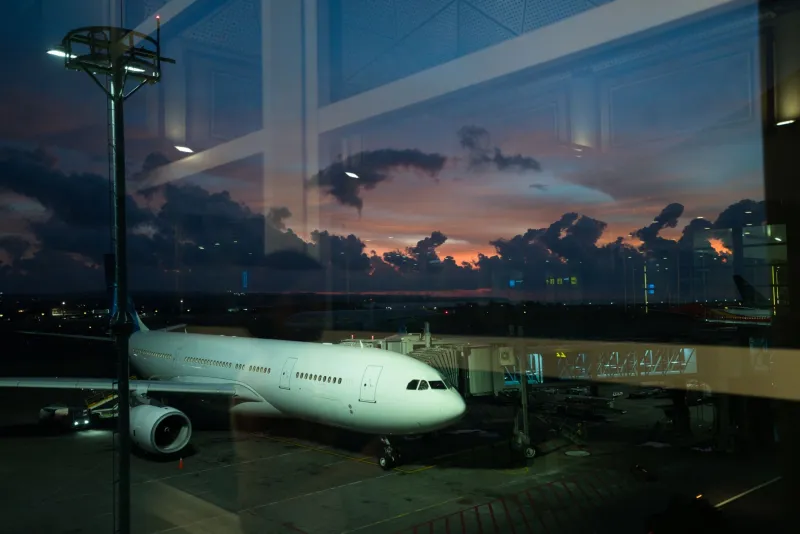
You cleared customs at LAX, SFO, or O'Hare. You grabbed your bag off the carousel, found your rideshare, and sat in traffic for forty-five minutes watching billboards scroll past like fever dreams. Somewhere over the Pacific, you were already half-gone — and not in the way you expected.
Most travel guides will tell you what to pack, what to eat, and how to avoid the crowds at Himeji Castle. Almost none of them will tell you what happens when you get home. And for a surprising number of American visitors, what happens is something that feels uncomfortably close to grief.
The Slowness Gets Into You Whether You Want It To
Himeji operates at a pace that most Americans initially resist. The city doesn't rush toward you. Its rhythms — the unhurried walk through Kokoen Garden, the deliberate quiet of the castle grounds at dusk, the way a ramen shop owner takes genuine pride in a bowl of soup — accumulate slowly, like sediment. By day three or four, most visitors stop fighting it. They start walking slower. They stop checking their phones every eight minutes. They eat lunch without also answering emails.
Then they fly home.
The contrast hits differently depending on where you live. If you're returning to New York or Chicago or Houston, the velocity of daily American life can feel almost physically aggressive. Car horns. Notification badges. The ambient pressure to be productive, optimized, and perpetually reachable. It's not that these things weren't always there — it's that you forgot they were normal, and now you can see them clearly for the first time.
This is the core of what travel psychologists sometimes call reverse culture shock: not the disorientation of arriving somewhere foreign, but the disorientation of returning somewhere familiar and finding it suddenly strange.
What Himeji Specifically Does to Your Brain
It's worth being precise here, because not every international trip produces this effect. Plenty of people visit Paris or Cancún and slot back into their lives without much friction. Himeji tends to hit differently, and there are a few reasons for that.
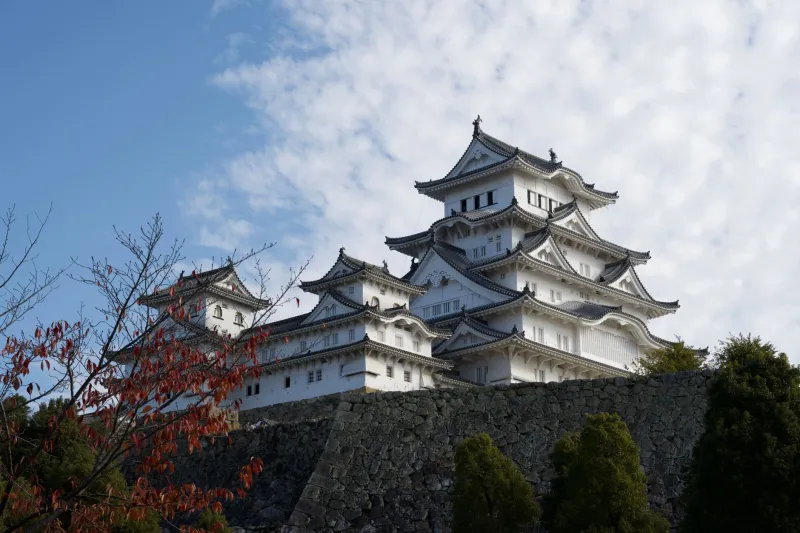
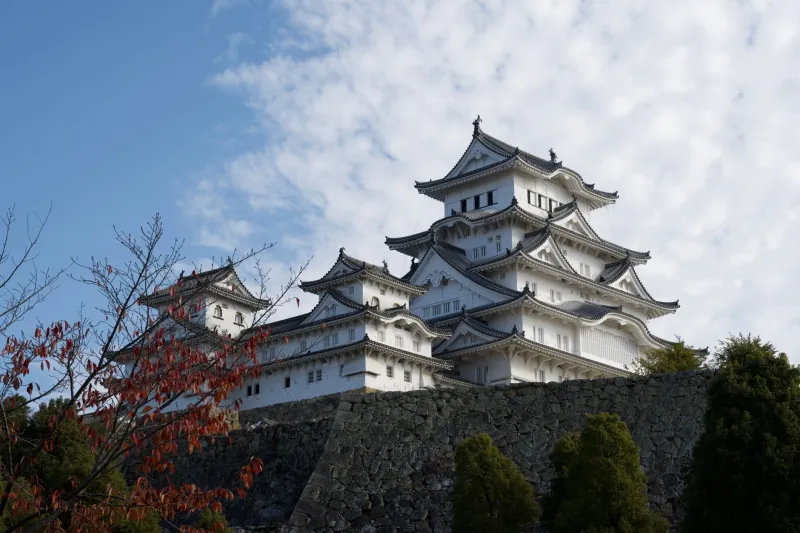
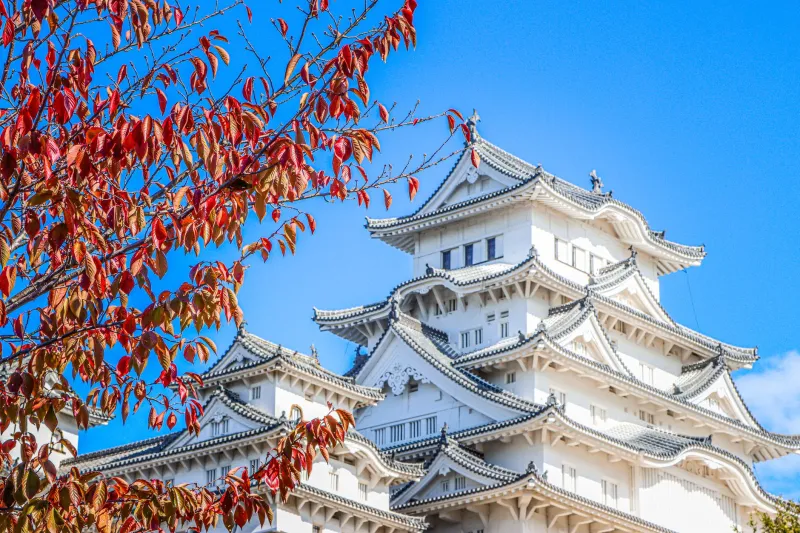
First, the city has an almost unusual coherence between its history and its present. The castle isn't a relic — it's a living architectural argument that things built with care and intention outlast almost everything else. Walking those grounds, you absorb a philosophy even if you never consciously articulate it. You start to feel, somewhere in your chest, the difference between things made to last and things made to move.
Second, the hospitality culture in Himeji — and Japan broadly — operates on a register that most Americans rarely encounter at home. It's not performative warmth. It's something quieter and more consistent: an orientation toward the person in front of you that feels almost radical by comparison to the transactional interactions most of us navigate every day. When you get home and the barista at your regular coffee place doesn't make eye contact, it's not that they're doing anything wrong. It's that you've been recalibrated.
Third, and maybe most importantly, Himeji gives you back something you didn't know you'd lost: a sense of purposefulness in small things. The way a shop is arranged. The way a meal is presented. The way a temple path is swept. There's an attention to detail in daily Himeji life that quietly suggests that how you do ordinary things is not actually ordinary. Coming home, the opposite can feel true.
The Adjustment Is Real, and It's Okay to Name It
A lot of people feel slightly embarrassed by how hard the re-entry hits. It can seem disproportionate — you were only gone for ten days, you didn't move there, you're not a different person. But the discomfort is legitimate and worth sitting with rather than dismissing.
Give yourself permission to feel out of step for a while. The friction you're experiencing isn't a sign that something is wrong with you, or that America is irredeemably broken, or that you need to quit your job and move to Japan (though no judgment if you eventually do). It's a sign that you paid attention while you were there. You let the place actually reach you. That's not a small thing.
Talk about it with people who get it — ideally someone who's made the same trip. The Himeji experience has a particular texture that's hard to explain to someone who's never stood at the top of that castle and felt the city spread out below them in the early morning light. But among people who have, the shorthand comes quickly.
Practical Ways to Carry Himeji Forward
This isn't about turning your apartment into a Japanese aesthetic Pinterest board or developing a matcha habit as a substitute for the real thing. It's about identifying what specifically shifted for you, and finding honest ways to honor that in your actual life.
For many returning travelers, the biggest takeaway from Himeji is something about attention — the practice of being present in whatever you're doing rather than halfway somewhere else. You don't need to be in Japan to eat a meal without your phone on the table. You don't need to be in a castle garden to take a walk without an agenda.
For others, it's about craft — a renewed appreciation for things made well, maintained carefully, and not treated as disposable. That might mean buying less but better. It might mean learning something with your hands. It might mean finally finishing that project you've been half-doing for two years.
For some people, the most lasting effect of Himeji is simpler and harder to pin down: a recalibrated sense of what a day can feel like when you're not fighting it. That's not something you can bottle or schedule. But you can remember what it felt like, and let that memory pull you back toward it when you drift.
The City Has a Way of Staying With You
Here's what we've heard from travelers who've come back to Himeji a second or third time: part of what draws them back is the desire to feel that feeling again. But the other part — the part they don't always say out loud — is that they want to confirm it was real. That the pace was actually that good, the hospitality actually that genuine, the castle actually that quietly overwhelming.
It always is. And somehow, every time, the hardest part is still the flight home.
If you're reading this before your first trip, consider yourself warned — in the best possible way. And if you're reading this because you just got back and you're sitting in your apartment wondering why your couch feels like someone else's: welcome to the club. You're not alone, and you're not crazy. You just went somewhere that reminded you what's possible.
That's a hard thing to unknow. Most people who've been to Himeji will tell you they're glad they can't.