Off the Tourist Trail: The Living Neighborhoods That Show You the Real Himeji
Photo: narrow Japanese shopping arcade alley residential neighborhood local shops, via www.meridianhomes.net.au
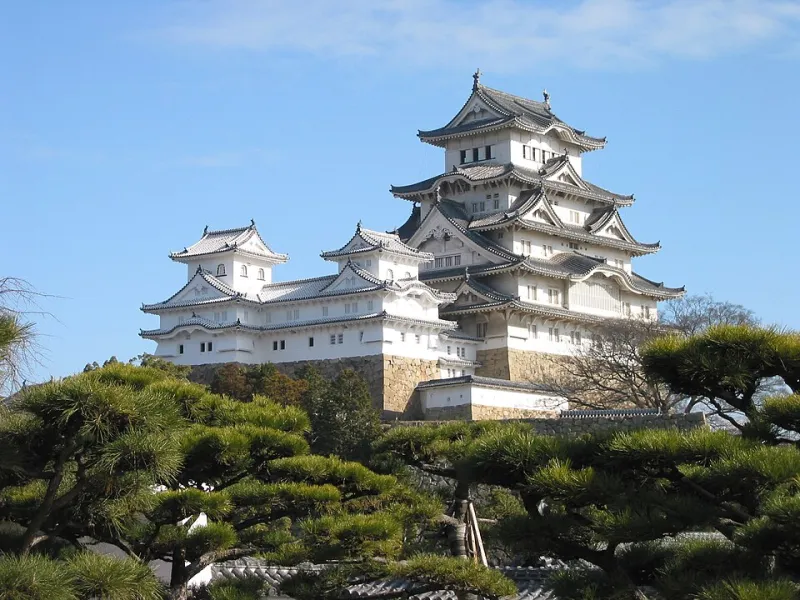
Every traveler who lands in Himeji has the castle on their list. And honestly? It deserves to be there. But here's the thing nobody tells you before you book your shinkansen ticket: the most memorable moments in this city don't happen in front of a UNESCO-designated fortress. They happen in a narrow alley where a grandmother is arranging tofu outside her shop, or at a folding table during a neighborhood festival where you're the only foreigner and someone hands you a cup of amazake anyway.
Himeji's residential districts are the city's best-kept secret, and right now, most international visitors walk right past them on their way to the castle. That's a shame—and a genuine opportunity for anyone willing to take a small detour.
Why the Backstreets Matter
Japan has a concept called satoyama—the zone between the wild and the cultivated, where human life and nature quietly negotiate. Himeji's backstreet neighborhoods feel a little like the urban version of that idea. They sit between the polished tourist infrastructure near the station and the grandeur of the castle itself, occupying a middle space that's entirely, unapologetically local.
These aren't neighborhoods that have been curated for visitors. There are no English-language signs pointing you toward the "authentic experience." That's exactly the point. When you wander into the Tatemachi shopping arcade or duck down the side streets near Otemae-dori, you're stepping into a version of Japan that hasn't been packaged for export.
For Americans accustomed to heritage sites that come with gift shops and guided audio tours, this can feel a little disorienting at first. Lean into it.
Tatemachi: A Shopping Street That Time Forgot (In the Best Way)
Tatemachi is the kind of covered shopping arcade that used to exist in mid-century American downtowns before malls killed them off. It's a long, sheltered corridor of small shops—a hardware store next to a confectionery next to a place selling work gloves—all of it humming with low-key daily commerce.
Locals come here to buy things they actually need. You'll see elderly residents with wheeled carts, school kids stopping for snacks, and the occasional salaryman picking up a bento. Nobody is performing "Japanese culture" for your benefit, which makes the whole thing feel genuinely alive in a way that more tourist-oriented areas simply can't replicate.
If your Japanese is limited to sumimasen and arigatou, don't worry. A smile and a point go a long way. And the small food vendors scattered through the arcade are perfect for a low-stakes first attempt at ordering without a translated menu.
Finding the Neighborhood Festivals
Himeji's residential districts host a rotating calendar of matsuri—community festivals—that are almost entirely off the radar for international visitors. These aren't the big, professionally organized events that show up in tourism brochures. They're block-level celebrations: portable shrines carried through narrow streets, kids in matching happi coats, food stalls selling yakitori and shaved ice.
The timing varies, but late summer and early fall tend to be especially active. If you're visiting between August and October, keep your eyes open for paper lanterns strung between buildings or the distant sound of taiko drums. Follow the noise. You'll almost certainly be welcomed.
A few practical notes for Americans: don't point your chopsticks, don't stick them upright in food, and if someone offers you something, accept it with two hands and a small bow. Beyond that, genuine curiosity is universally understood.
The Ramen Shops You Actually Want to Find
Himeji has a local ramen style that doesn't get nearly the attention it deserves. The broth tends to run cleaner and lighter than the tonkotsu bombs you might know from Fukuoka, with a delicacy that rewards slow eating. The best versions of this aren't in restaurants near the castle—they're in family-run spots tucked into residential areas, often identifiable by a hand-painted sign and a short line of locals at lunchtime.
The area around Shikama, a quieter district closer to the port, has a cluster of these spots that feel completely removed from the tourist circuit. Getting there requires a local bus or a longer walk, which is part of why most visitors skip it. But if you make the effort, you'll eat extraordinarily well and spend almost nothing.
Don't overthink the ordering process. Most of these places have a ticket machine at the door. Push a button, hand the ticket to the person behind the counter, sit down, and wait. The system is intuitive once you're in it.
How to Navigate Without Feeling Like an Intruder
One concern US travelers sometimes have about wandering residential neighborhoods in Japan is the fear of being intrusive. It's a thoughtful instinct, and it's worth addressing directly.
Himeji's residential areas are not private spaces—they're public streets, open markets, and community gathering spots. The social contract is simple: be quiet, be respectful, and don't photograph people without some signal of consent. Beyond that, your presence as a curious, respectful visitor is generally welcomed, not resented.
If you're uncertain, err on the side of observation over participation. Watch how locals interact with a space before jumping in. This approach will serve you well anywhere in Japan, but it's especially useful in places that aren't accustomed to foreign foot traffic.
The Bigger Picture
Himeji Castle is extraordinary. See it. But consider giving yourself an extra half-day—or a full one—to simply wander without an agenda. Take a bus to a neighborhood that isn't in your guidebook. Eat at a place with no English menu. Get a little lost.
The Japan that most Americans imagine before they visit is often a composite of media impressions—neon cities, ancient temples, hyper-efficiency. What you find in Himeji's backstreets is something quieter and more durable: a city that knows who it is, goes about its business without performing for an audience, and has plenty of room for a curious visitor who's willing to meet it on its own terms.
That's the version of Himeji worth seeking out. And it starts the moment you step off the main road.