Honor, Craft, and Courtesy: How Samurai Philosophy Quietly Shapes Life in Himeji
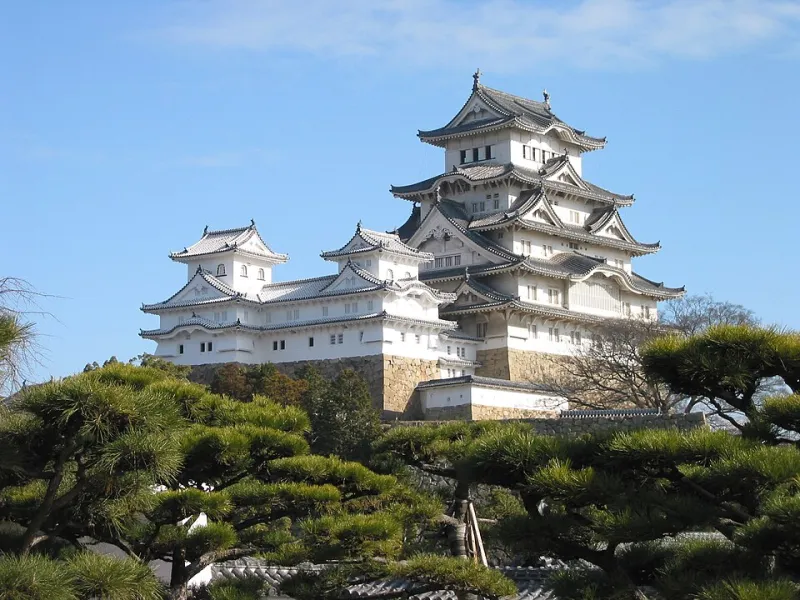
Most Americans arrive in Himeji with one thing on their minds: the castle. And honestly, that's fair. Himeji Castle is one of the most photogenic structures in all of Japan, and it deserves every bit of the hype. But here's something that doesn't make it onto many travel Instagram feeds — the values that built that castle are still very much alive in the city around it.
Bushido, loosely translated as "the way of the warrior," was the ethical backbone of samurai society. Think of it less like a rulebook and more like a deeply ingrained cultural operating system. Concepts like gi (righteousness), rei (respect), and makoto (sincerity) weren't just warrior ideals — they filtered down through generations into everyday Japanese life. In Himeji, a city that was literally designed around a feudal lord's fortress, that influence runs especially deep.
If you walk into Himeji without this context, you might notice certain things and chalk them up to "Japanese politeness." But once you understand the philosophical roots, those same moments start to feel a lot more intentional.
Why Himeji Specifically?
Not every Japanese city carries the samurai legacy the way Himeji does. For centuries, Himeji Castle served as the seat of powerful feudal lords — the daimyo — and the surrounding city grew up in direct service to that power structure. Craftspeople, merchants, and service workers all operated within a strict social hierarchy that demanded discipline, precision, and deference.
That history didn't just evaporate when Japan modernized. It adapted. The same drive toward mastery that once defined a swordsmith now shows up in how a local ramen shop owner perfects their broth over thirty years. The same sense of duty a samurai felt toward his lord echoes in how a hotel concierge in Himeji will spend twenty minutes mapping out your day even when the lobby is packed.
The Hospitality Connection
If you've traveled in Japan before, you've probably been struck by the quality of service — not just the efficiency, but the genuine attentiveness. In Himeji, this is especially pronounced, and it connects directly to a concept called omotenashi.
Omotenashi is often translated as "hospitality," but that undersells it. It's closer to anticipatory service — the idea of meeting a guest's needs before they even realize they have them. This isn't a customer service script. It's a practice rooted in the same Bushido principle of rei, or respect, that required samurai to show consideration not just to their superiors but to everyone they encountered.
For American visitors used to transactional service culture, this can feel almost disorienting at first. You ask for directions and the person walks you there. You look slightly confused at a restaurant menu and someone appears beside you before you've raised your hand. It's not performance — it's philosophy in action.
Craft as a Form of Honor
Himeji has a long tradition of skilled craft-making, and the city's artisans take their work seriously in a way that can seem almost excessive to outside observers. Local leather goods, traditional confections, and even everyday ceramics are made with a level of care that goes well beyond what's strictly necessary for function.
This connects to the Bushido principle of meiyo — honor. For samurai, doing something halfway was considered a form of dishonor. That mindset carried over into the trades that supported samurai society. A craftsperson who supplied a lord's household couldn't afford sloppy work, and that standard of excellence became a point of pride passed from generation to generation.
When you visit a workshop or pick up a handmade item at a local market in Himeji, you're not just buying a souvenir. You're holding the end result of a philosophy that says your work is a direct reflection of your character.
Reading Local Etiquette Through a Bushido Lens
A few things US visitors commonly notice — and sometimes misread — make a lot more sense once you frame them through samurai values:
The bow. It's not just a greeting. It's a physical expression of rei — respect that acknowledges another person's worth. The depth of the bow reflects the level of respect being conveyed. Don't stress about getting it exactly right, but do reciprocate in some form. A slight nod goes a long way.
Silence in public spaces. Talking loudly on a train or in a temple courtyard can draw quiet looks in Himeji. This traces back to heijo-shin — a samurai concept of composure and calm presence. Public spaces are shared, and disrupting them is considered a failure of self-regulation.
The two-handed exchange. Whether you're handing over cash or receiving a business card, using both hands signals respect and full attention. It's a small gesture with deep roots in the idea that every interaction deserves your complete presence.
How to Engage, Not Just Observe
The best thing you can do as a visitor in Himeji is slow down enough to participate in these cultural rhythms rather than just photograph them from a distance. Try a structured activity — a tea ceremony, a calligraphy class, or even a guided walk through the castle grounds with a local historian — and you'll feel the philosophy come alive in a way that no museum exhibit can replicate.
Himeji isn't a theme park version of samurai culture. It's a living city where those values still shape how people treat each other every single day. Once you see it, you can't unsee it — and it makes the whole place feel a lot more layered than just a really great castle.