Old Walls, New Ideas: How Himeji Lives With Its History Without Being Trapped By It
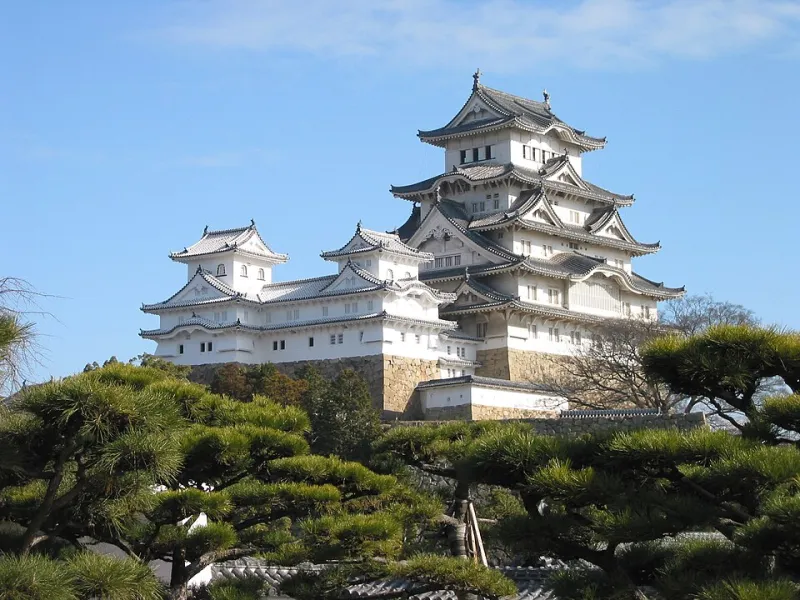
Photo: by ja:User:Reggaeman, Public domain, via Wikimedia Commons
If you've ever wandered through Kyoto on a busy summer weekend — dodging selfie sticks outside Fushimi Inari, queuing forty-five minutes to peek at a rock garden — you already know what over-tourism looks like. Himeji is something different. It has all the historical weight of Japan's most iconic destinations, anchored by a UNESCO World Heritage castle that has stood for more than four centuries, yet the city moves at a pace that still feels human. That balance isn't accidental. It's the product of real decisions made by real people who care deeply about what Himeji is — and what it could become.
A Castle That Actually Survived
Himeji Castle — known locally as Shirasagi-jo, or "White Heron Castle" — is one of only a handful of original feudal fortresses left standing in Japan. Most others burned down, were demolished during the Meiji modernization push, or were lost in World War II. Himeji's castle survived all three. That alone makes it extraordinary.
But here's the thing that surprises a lot of American visitors: the castle isn't managed like a museum relic behind velvet ropes. You can walk through it. Climb the steep wooden staircases to the top floor. Feel the slight lean of hand-hewn beams that have been in place since the early 1600s. The Japanese government designated it a National Treasure long before UNESCO came calling in 1993, and that layered protection has shaped how the entire surrounding area develops.
City planners work within strict height restrictions near the castle grounds — no building in the central zone can visually compete with the main keep. Walk through the Otemae area on a clear day and you'll notice how the skyline defers to that white silhouette. It's a subtle thing, but it changes the whole atmosphere of the city.
The Tension Is Real — And Productive
Preservation and progress don't always get along, and the people managing Himeji's development are the first to admit it. Local historians point out that authenticity is fragile. Once a neighborhood tips too far toward tourist kitsch — souvenir shops selling castle-shaped keychains, themed restaurants with English menus designed for the Instagram crowd — it's hard to pull back.
Himeji has watched what happened in parts of Kyoto's Gion district, where actual geiko and maiko now avoid certain streets because of harassment from visitors. That's a cautionary tale the city takes seriously. The approach here leans toward managed, slower-growth tourism that keeps residents genuinely invested in welcoming visitors rather than resenting them.
That means some trade-offs. Himeji isn't building luxury resort hotels at the pace of other Japanese cities competing for international tourism dollars. Infrastructure improvements happen, but they tend to prioritize the everyday needs of the 530,000 people who actually live here alongside the needs of visitors passing through.
The Neighborhoods Worth Exploring
The area most visitors miss entirely is the stretch of streets running west from the castle toward the Shikama district near the old port. This is where Himeji's traditional craft economy has quietly persisted for generations. Leatherworking has deep roots here — Himeji has been a center of Japanese leather production since the Edo period, when the nearby rivers and specific tanning techniques made the region ideal for the trade. You'll find small workshops where craftspeople are still doing this work, often operating storefronts that wouldn't look out of place in a Brooklyn design district.
Nearby, independent coffee shops and galleries have started filling the gaps between older establishments. This isn't the manufactured "artsy neighborhood" you sometimes see in cities trying to brand their way to cultural relevance. It's more organic — younger locals who grew up here, left for Osaka or Tokyo for school or work, and came back because the cost of living is reasonable and there's something genuinely worth building on.
For American visitors who appreciate that kind of neighborhood energy — think the older parts of Portland, Oregon, or the Corktown area in Detroit — this part of Himeji will feel immediately familiar and refreshingly unscripted.
Craftsmanship as Living History
One of the more interesting things about Himeji's preservation philosophy is that it extends beyond the castle walls to traditional skills and trades. The city actively supports programs that connect younger artisans with older masters in fields like tatami-making, traditional dyeing, and woodworking. These aren't just cultural preservation projects for show — the products are sold, the skills are practiced daily, and visitors can sometimes arrange to watch or participate.
This is a meaningful contrast to the kind of "living history" experience you might encounter at a place like Colonial Williamsburg back home, where the historical framing is front and center. In Himeji, you're just watching someone who is genuinely good at their craft do the work they do every day. The historical context is there if you want it, but it doesn't feel performed.
What Makes Himeji Worth Your Time
American travelers often plan Japan itineraries that hit the obvious checkpoints — Tokyo, Kyoto, maybe Hiroshima or Osaka — and Himeji sometimes gets treated as a day trip from Kobe or a quick stop on the Shinkansen route. That's a shame, because the city rewards a slower pace.
Spend two or three days here and you start to understand what a Japanese city looks like when it hasn't been entirely reshaped by tourism infrastructure. The castle is genuinely one of the most impressive structures you'll ever stand in front of. But the real discovery is the city around it — one that has figured out, more gracefully than most, how to hold its history lightly enough to keep living.