From Two Weeks to Two Months: Why Americans Are Ditching the Beach for an Extended Stay in Himeji
For decades, the American vacation followed a pretty predictable script. You'd burn through your PTO, pack a carry-on, and spend seven to ten days somewhere warm with a good happy hour. Maybe a cruise. Maybe Cancún. Maybe the same Airbnb in the Outer Banks your family has rented every August since 2009.
But something is changing. Slowly, then all at once.
A growing number of American travelers — remote workers, retirees, burnt-out professionals, curious first-timers — are choosing Himeji, Japan not as a quick stop on a whirlwind itinerary, but as a destination in its own right. Not for a weekend. Not even for two weeks. We're talking month-long stays. Extended rentals. Return trips that start feeling more like a second home than a vacation.
So what exactly is going on?
The Beach Was Never Really the Point
Let's be honest with ourselves for a second. A lot of American vacation habits are less about genuine rest and more about performing rest. The Instagram photo of your feet in the sand. The overpacked resort schedule. The race to see everything before your flight home on Sunday.
Psychologists who study leisure behavior have been pointing this out for years — that Americans, culturally conditioned to equate busyness with worth, often bring that same frantic energy into their downtime. We don't really know how to stop. We just relocate the hustle.
Himeji, it turns out, is surprisingly resistant to that pattern.
There's no Vegas-style strip. No all-inclusive buffet designed to keep you from ever leaving the resort property. What Himeji offers instead is something more disorienting, in the best possible way: a city that operates on its own unhurried logic, where the rhythm of daily life — the morning commuters, the neighborhood shotengai markets, the elderly man feeding pigeons near the castle moat — quietly dismantles your need to be productive every waking hour.
People who come for a few days often find themselves rearranging flights to stay longer. And then they come back the following year. And the year after that.
What a Castle City Does to Your Internal Clock
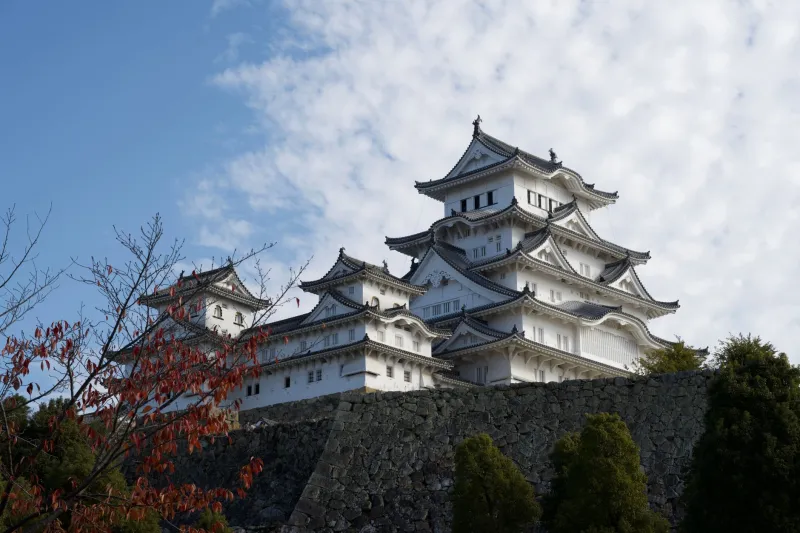
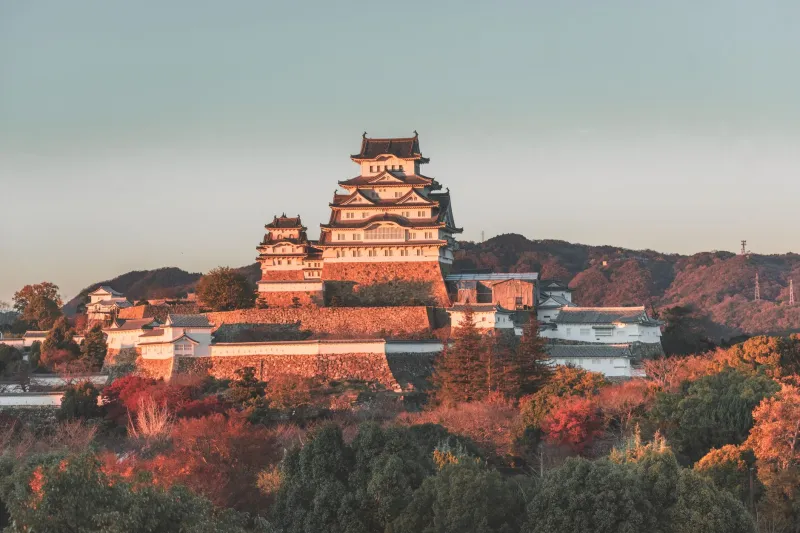
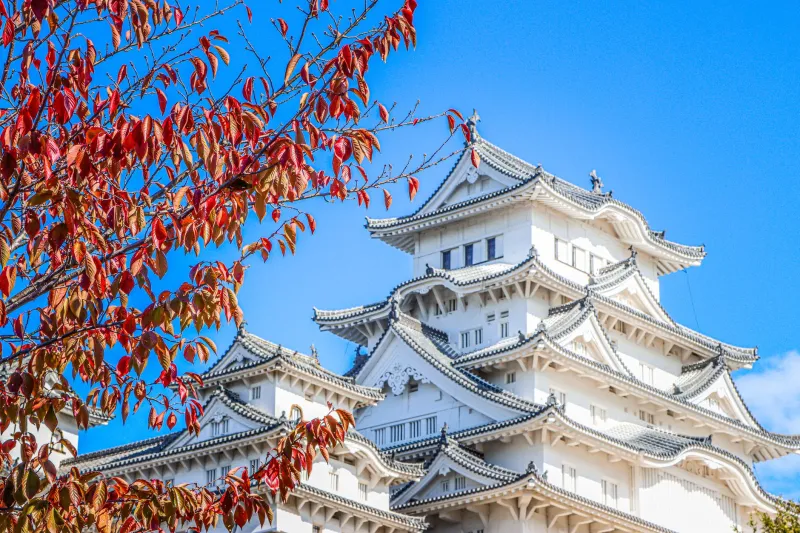
Himeji Castle has stood in one form or another since the 14th century. That's not a number that really lands until you're standing beneath its white-plastered walls and doing the math — this structure was already old when the Pilgrims landed at Plymouth Rock.
There's a particular psychological effect that comes from spending extended time around something that ancient. It's not nostalgia, exactly. It's more like a recalibration. When you walk the same stone path to the castle every morning for three weeks straight, you stop seeing it as a photo opportunity and start experiencing it as a place where actual human lives unfolded across centuries. That shift — from spectator to participant — is what long-stay travelers consistently describe as the thing they weren't expecting.
"I stopped counting days after the first week," one traveler from Portland told us during her fifth visit to Himeji. "At home, I'm always tracking time. Here, I just... exist in it."
That might sound abstract, but the practical implications are real. Travelers who stay longer report sleeping better, feeling less anxious, and returning home with a fundamentally different relationship to their own schedules.
The Logistics Are More Manageable Than You Think
One reason the extended Himeji stay has become more feasible for Americans is purely practical: the rise of remote work has decoupled vacation from the tyranny of the two-week PTO window.
Himeji's infrastructure supports longer stays surprisingly well. Monthly apartment rentals are available through platforms like Airbnb and local agencies at rates that, while not cheap by Japanese standards, are often competitive with what you'd pay for a month in a major US city. The Shinkansen connects Himeji to Osaka in about 30 minutes, meaning day trips and occasional work meetings are genuinely doable.
The city also has a functional, foreigner-friendly everyday life. Grocery stores, laundromats, neighborhood cafes, a solid public transit system — the basic infrastructure of actual living is all there. You're not roughing it. You're just... living somewhere different for a while.
For retirees, it's even simpler. With no office tethering them to a time zone, an extended Japan stay has become an increasingly popular alternative to the traditional snowbird migration to Florida. The cost of living in Himeji, particularly outside peak tourist seasons, compares favorably to many American retirement destinations — and comes with considerably better public safety, public transit, and (let's be real) food.
What the Shift Actually Reveals
There's a cultural undercurrent worth naming here. The trend toward extended stays in places like Himeji isn't just about travel preferences. It's a quiet rejection of the vacation-as-consumption model that has dominated American leisure culture for generations.
A week at a beach resort is a transaction. You buy an experience, consume it, and go home. An extended stay in a Japanese castle city is something else entirely — it's an investment in disorientation, in the productive discomfort of being somewhere genuinely unfamiliar for long enough that it stops being unfamiliar.
Himeji rewards that patience in ways that shorter trips simply can't access. The seasonal temple festivals that happen on a Tuesday. The soba shop that takes three weeks to find because it has no sign and no English menu. The particular quality of light on the castle in late October when the crowds have thinned and the maple trees are just starting to turn.
These aren't experiences you can book in advance or find on a top-ten list. They accumulate over time, quietly, the way the best things in life usually do.
How to Start
If you're somewhere between curious and convinced, here's the practical version: you don't have to commit to two months right away. Start with three weeks. Rent an apartment instead of booking a hotel. Build in at least one full week with no planned activities — just walk, eat, get lost, and let the city find its rhythm with yours.
Himeji will do the rest.
The castle will be there every morning when you wake up. The Senbon cherry trees along the Hanzaki River will bloom or they won't, depending on when you arrive. The locals will nod at you on your regular morning walk until, somewhere around week two, they start nodding like they mean it.
That's the thing about Himeji. The longer you stay, the more it gives you. And at some point, the beach just stops being the point.