Stop Treating Himeji Like a Layover: The Case for Deliberately Slowing Down
Here's a pattern that plays out hundreds of times every single day at Himeji Station. A traveler steps off the Shinkansen, checks the time on their phone, does the mental math — okay, castle, maybe that garden, lunch, back by three — and then proceeds to execute a perfectly efficient tour of a place they will remember mostly as a blur of white stone and souvenir packaging.
Nobody warns them that they're doing it wrong. The guidebooks don't help. Most Japan itineraries treat Himeji as a bullet point between Osaka and Hiroshima, a checkbox destination that rewards efficiency. And in the narrowest sense, that framing isn't entirely wrong. You can see the castle in a few hours. You can technically say you've been.
But there's a version of Himeji that those visitors never encounter. And the strange thing is, accessing it doesn't require more money, a private guide, or some hidden local knowledge. It just requires time — and the willingness to waste some of it.
Why We Rush in the First Place
American travelers, in particular, come to Japan with a specific psychological burden: the feeling that they've spent a lot of money to get here and therefore must extract maximum value from every waking hour. It's the same instinct that turns a two-week European vacation into a ten-country sprint. Efficiency is baked into how we think about travel.
Japan amplifies this tendency because the infrastructure rewards it. The Shinkansen is impossibly fast. Train schedules run to the minute. Everything is optimized for movement. The country practically encourages you to treat it like a highlight reel.
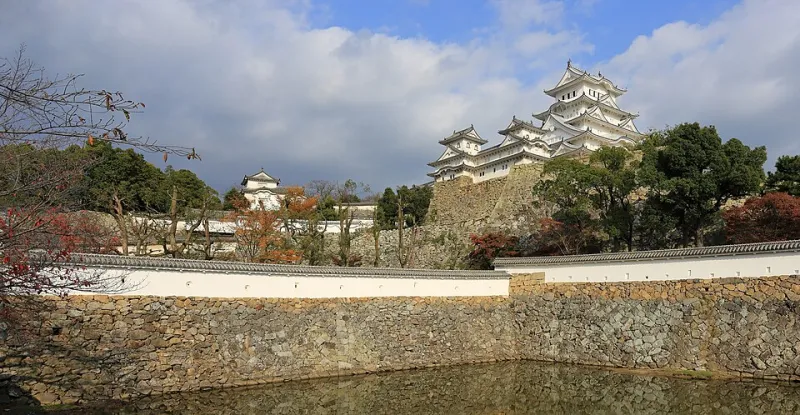
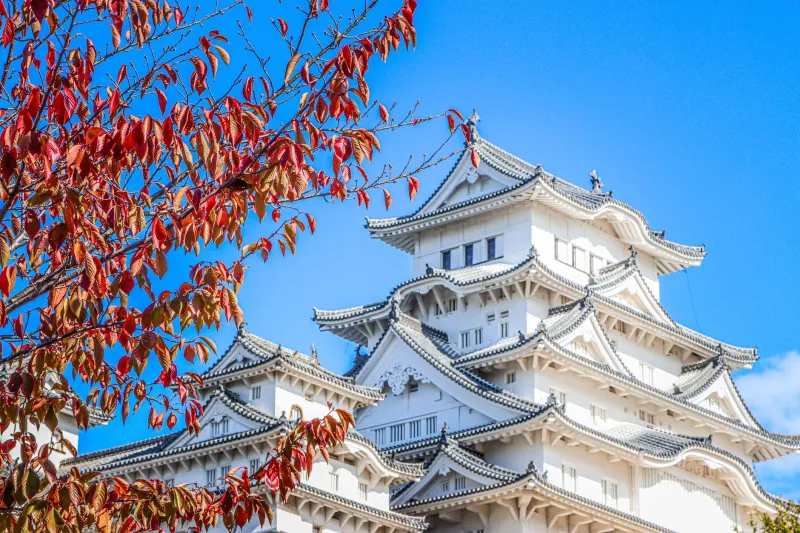
Himeji suffers from a specific version of this problem. It has one world-famous attraction — a castle so photogenic it almost feels fictional — and that single landmark creates a gravitational pull that's hard to resist. Visitors orient their entire day around it, treat everything else as optional filler, and leave wondering why the experience felt somehow thinner than they expected.
The castle is extraordinary. That's not the issue. The issue is that using it as your only anchor means you never actually land anywhere.
The Counterintuitive Fix: Plan to Get Bored
This sounds like bad travel advice. It isn't.
When you give yourself two full days in Himeji with only one firm commitment — the castle, sure, go see it — something interesting happens with the remaining hours. You start to wander without a destination. You walk down streets that aren't in any guide. You duck into a coffee shop because you're tired, not because it was recommended. You end up at a neighborhood shrine at 7 a.m. because you woke up early and didn't have anywhere to be.
These aren't backup activities. They're often the ones people talk about for years afterward.
Himeji has a downtown shotengai — a covered shopping arcade — that feels like a time capsule of mid-century Japanese retail culture. There are old sake breweries tucked into residential blocks that you'd only notice if you were moving slowly enough to read the cedar balls hanging above their doorways. The Himeji City Museum of Art sits along the Shiraho River with almost no wait, ever, because everyone's at the castle. Koko-en garden, just next door to the main attraction, routinely gets skipped by day-trippers who've already mentally checked out.
None of these things require a special itinerary. They just require you to not be in a hurry.
What "Inhabiting" a Place Actually Means
There's a difference between visiting somewhere and inhabiting it, even briefly. Inhabiting means eating breakfast where locals eat breakfast, not where the hotel concierge sends tourists. It means sitting in a park long enough to notice the rhythms of who comes and goes. It means getting slightly lost and not immediately pulling up Google Maps.
Himeji is unusually well-suited to this kind of slow travel, partly because it's not overwhelmed by tourism infrastructure the way Kyoto is. Outside the immediate castle district, the city operates on its own schedule, largely indifferent to visitors. That can feel alienating if you're rushing through. But if you stay long enough, it starts to feel like an invitation.
The city has a working, breathing identity that has nothing to do with white castle walls. It's a mid-sized Japanese city with a real economy, real neighborhoods, and real people who have strong opinions about where to get the best anago (conger eel, a local specialty). Getting access to any of that requires the one thing most itineraries don't budget for: unstructured time.
A Different Kind of Itinerary
If you're planning a trip and Himeji is on the list, here's a genuine suggestion: book two nights instead of zero. Arrive the evening before your castle visit. Walk to dinner without a reservation and see what's open. In the morning, hit the castle early — genuinely early, before the tour groups arrive — and spend a couple of unhurried hours there. Then do absolutely nothing planned for the rest of the day.
See what finds you.
Maybe it's a pottery shop run by a third-generation craftsman who speaks no English but will spend twenty minutes showing you how a piece was made. Maybe it's a ramen spot with six counter seats and a line out the door at noon. Maybe it's just a quiet hour in Koko-en watching koi move through still water, which sounds boring until you're actually doing it and realize you haven't thought about your phone in forty minutes.
This is what people mean when they say a place "got under their skin." It's not a mysterious quality that some destinations have and others don't. It's what happens when you stay long enough for the city to stop performing for you and just go about its business while you happen to be there.
The Boredom Is the Point
There's a concept in Japanese aesthetics called ma — roughly, the meaningful pause, the productive emptiness between things. It shows up in music, in architecture, in the way a traditional room is arranged with deliberate negative space. The idea is that the gaps aren't absences. They're where meaning actually lives.
Most travel itineraries are designed to eliminate ma entirely. Every hour accounted for, every meal pre-researched, every attraction queued up. It's efficient. It's also a little like listening to a song with all the rests edited out.
Himeji rewards the pauses. The city has been here for centuries. It's not going anywhere. The castle will be just as white and just as astonishing whether you see it at 9 a.m. on a packed Tuesday or at golden hour on a quiet Thursday when the light turns everything amber and you have the upper floors almost to yourself.
You just have to give yourself permission to be somewhere without immediately trying to finish it.